
Deciding on a book format is one of the first big choices self-publishers will have to make. While eBooks will always reign supreme, printed books are popular with readers who like having something tangible to hold in their hands. But when it comes to print books, which format is better: paperback or hardcover?
The truth is that there are benefits to publishing both paperback and hardcover books. Deciding which format is best for your book will depend on several different factors—including your target audience, genre, budget, and publishing goals.
That’s why we created this ultimate paperback vs. hardcover guide. Here, we’ll breakdown the pros and cons of each format and help you decide which option(s) are best for your next self-published book.
What Is A Paperback Book?
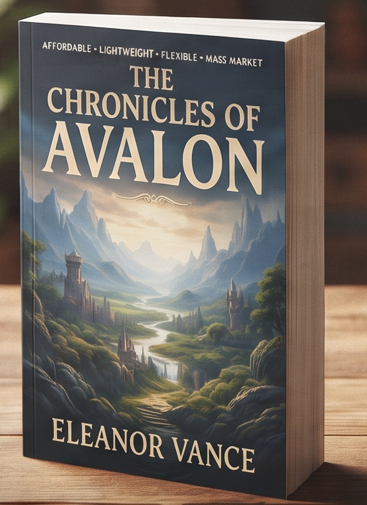
Paperback books have a flexible paper cover. This is by far the most popular format for self-published books, as they’re affordable to print and appeal to the mass market.
You can publish paperbacks using nearly every print-on-demand option available today, including Amazon KDP and IngramSpark. If you’re a first-time author, paperbacks are a great place to start.
Benefits of Paperback Books:
- Cheaper printing costs
- Lower retail price
- Lightweight and easy-to-hold
- Popular with casual readers
- Easy to sell on websites
- Ideal for large volume sales
Because they’re affordable, readers are more likely to impulse-buy paperback books. They’re also a great choice for new authors looking to build up their readership.
What Is A Hardcover Book?
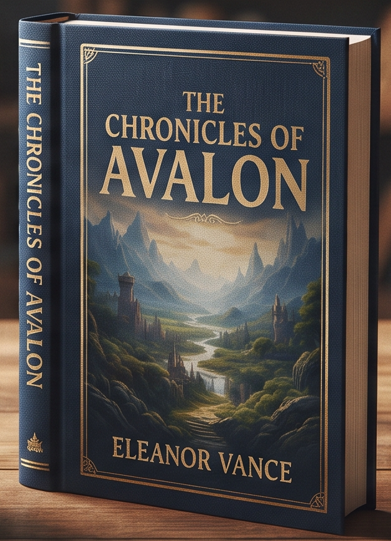
Hardcover books have rigid protective covers that are typically wrapped in printed paper or cloth. Hardcover books are viewed as more premium than paperback and are frequently used for collector’s editions, gift books, and special-value nonfiction books.
Hardcover books are more expensive to produce, but many readers love how they look and feel. Hardcovers will typically last longer than their paperback counterparts as well.
Benefits of Hardcover Books:
- Premium look and feel
- More durable
- Built to last
- Higher perceived value
- Ideal for gifts
- Great option for collectors and libraries
Hardcover books will also allow you to set a higher retail price. This could help you earn a higher royalty on each book sold.
Paperback Vs. Hardcover: Side-By-Side Comparison
| Feature | Paperback | Hardcover |
| Printing cost | Low | Higher |
| Retail price | Low | Higher |
| Weight | Lightweight | Heavier |
| Durability | Good | Excellent |
| Reader affordability | Excellent | Moderate |
| Feels premium | Moderate | Excellent |
Paperbacks and hardcovers serve different purposes. Consider your goals before self-publishing either format.
When To Publish In Paperback
Opt for paperback if you want the widest possible audience to be able to purchase your book.
You should publish in paperback when:
- Publishing your first book.
- Your readers are price-conscious.
- You’re writing fiction.
- You want cheaper printing costs.
- You’re trying to build your author brand.
- You want higher sales volume.
Genres that sell extremely well in paperback format include:
- Romance
- Mystery
- Thriller
- Fantasy
- Science Fiction
- Young Adult
- Self-Help
- Business Books
Paperback is the format of choice for most indie authors.
When To Publish In Hardcover
Hardcover is often the best format to choose when your book’s presentation matters most.
You should publish in hardcover when:
- Your book will include photos or illustrations.
- You plan to publish a premium nonfiction title.
- You believe readers will keep your book for many years.
- You know your readers love collector’s editions.
- You’re producing a book that will be gifted.
Hardcover books sell exceptionally well in the following categories:
- Children’s books
- Coffee table books
- Art Books
- Photography Books
- Cookbooks
- Memoirs
- Special Anniversary Editions
Readers who value beautiful books often don’t mind paying top dollar for hardcovers.
Should You Offer Both Formats?
The short answer? Absolutely!
Offering multiple formats allows your readers to choose which edition they’d prefer to read. Some customers will only buy paperback, while others will only purchase hardcover. Here are some examples:
- Someone who’s sensitive to spending money may purchase the paperback edition.
- Collectors will usually go for the hardcover version.
- Libraries typically buy hardcovers because they last longer.
- If a reader is buying your book as a gift, they’ll often choose hardcover.
Publishing multiple formats can help establish your book as more “professional.” One format isn’t better than another, selling books is.
Compare Your Target Audience
Consider who your ideal readers are when deciding between paperback and hardcover books. Ask yourself:
- Are my readers interested in affordable books?
- Will my readers read this book once or keep it for years to come?
- Will my target audience want a premium edition?
- Is my book going to be gifted to someone?
Your target audience can help you decide between paperback and hardcover books.
How Much Is Your Budget?
Printing costs will vary depending on page count, trim size, paper stock, and if your interior is in color or black and white.
On average, paperback books require a smaller initial investment. If you’re just starting as an author, go with paperback.
Hardcover printing is more expensive than paperback and will usually require a higher retail price. This will affect your royalty on each book sold.
Find out how much each book will cost to print and how much profit you’ll make on each sale before deciding on a book format.
Designing Your Book Cover
No matter which format you choose, your book cover is one of the most important aspects of attracting new readers.
Make sure your book cover:
- Fits your genre
- Is readable as a thumbnail image
- Uses high-quality fonts
- Looks great in print
- Draws the reader’s attention
Many authors gravitate towards premade book covers because they’re affordable and professionally-designed. BookCover4U offers exclusive covers that are handmade specifically for independent authors just like you.
Can I Self-Publish A Hardcover Later?
Yes, you can! Self-published authors often launch with a paperback edition to test the waters. If your book sells well, you can produce a hardcover edition later on.
By releasing a paperback edition first, you can:
- Acquire reviews
- Get discovered by new readers
- Recoup your original publishing costs
- Validate reader demand
- Offer readers a premium upgrade option
Adding a hardcover option down the road can create additional buzz around your book.
5 Common Mistakes To Avoid
Here are some mistakes to avoid when trying to decide between paperback and hardcover.
- Going straight to hardcover just because of the perceived prestige.
- Not considering your target audience.
- Using the same cover. (Remember, you’ll need to adjust your cover for each format.)
- Not comparing printing cost and royalties.
- Pricing your book too high for your audience.
- Publishing without ordering a proof copy.
Take time to weigh your options. You’ll save money and create a better reader experience by doing your research.
Quick Decision Checklist
Ask yourself these questions to help determine your best course of action:
- Will my target audience care about affordability?
- Is my book going to be kept as a collectible or gift?
- Do I have enough in my budget to print hardcover books?
- Are readers likely to keep my book on their shelf for years to come?
- Does my book contain premium content (photos, illustrations, etc.)?
- Do I plan to publish multiple editions of my book?
If you answered yes to more than one of these questions, publishing both paperback and hardcover may be right for you.
Final Words
There’s no right or wrong answer when it comes to paperback vs. hardcover books. What’s best for your novel will depend on a variety of different factors.
If you’re looking for affordability and mass market appeal, paperback is the way to go. It’s also cheaper to produce than hardcover, which is why most indie authors start here.
Hardcover books are better suited for creating a premium product that readers will keep on their bookshelf for years to come. If your book contains photos or illustrations, hardcover might be right for you.
Offering multiple formats is the best solution for many self-publishers. This allows you to reach a wider audience and lets your readers decide what edition they’d prefer. No matter which format you choose, your book won’t be successful unless you take care of the small details. Ensure your manuscript is polished, hire a professional editor, and design a stunning book cover that catches readers’ eyes
Need help with your book cover layout? Hire a professional book cover formatter